Accounts
 Currency
 Items
Items


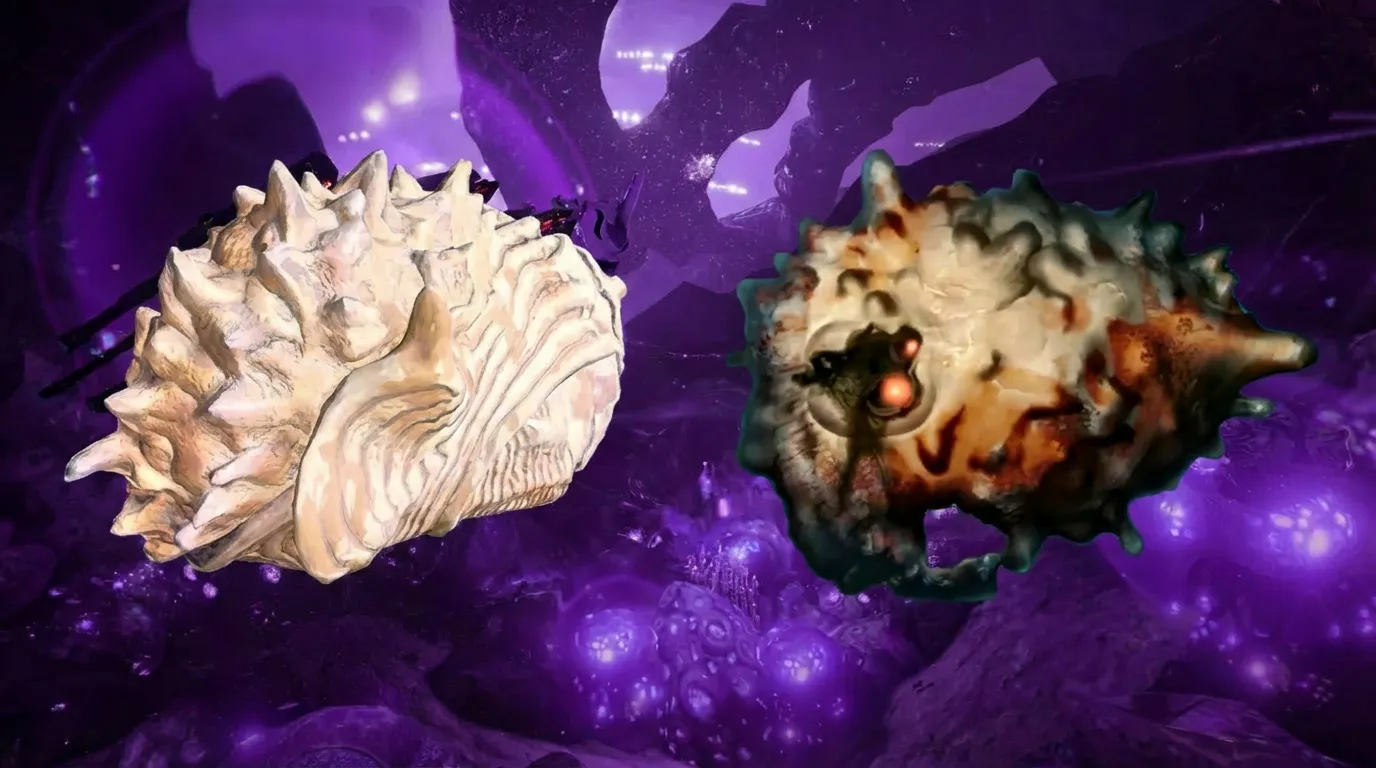
Warframe Plastids Farming Guide 2026
Plastids are one of those Warframe resources that stop feeling minor very quickly. Once you start crafting more weapons, Warframe parts, and key components in the Foundry, they become a regular bottleneck. If you are trying to figure out where to get Plastids in Warframe, the short version is this: beginners start on Phobos, most players settle into Saturn, and stronger accounts usually move to Uranus or Eris for better long runs.
Where to get Plastids in Warframe?
Plastids drop on Phobos, Saturn, Uranus, Pluto, and Eris. All five planets work, but they do not work equally well for every stage of the game.
- Phobos – The first realistic option for new players. Good enough for your first few hundred Plastids and early blueprints, but not a long-term home. Best node: Zeugma (endless Dark Sector Survival).
- Saturn – The main sweet spot for most players. Opens well before the late-game options and delivers a noticeably more reliable farming experience. Best nodes: Piscinas, Titan (Survival); Helene (Defense).
- Uranus – One of the stronger Plastids planets, but not a beginner route. Sits deep in progression. Best nodes once unlocked: Assur, Ophelia (long Survival runs).
- Pluto – Can drop Plastids, but is not the main community focus for farming. Usable as a fallback, though most players prioritize Saturn or Uranus over it.
- Eris – A strong late-game option, locked far later than Phobos and Saturn. Not realistic for a fresh account. Best node: Zabala (Survival).
If your goal is simply to stop being blocked by Foundry costs, the route is straightforward. Start with Phobos if that is all you have. Move to Saturn as soon as possible. Later, Uranus and Eris become the better long-session farms.
How to get Plastids?
The best way to get Plastids depends on where your account currently is.
In the early game, use Phobos. You are not there because it is the strongest farm in the game. You are there because it is the first practical source and it solves immediate crafting needs. Zeugma is the right node to remember because endless farming is more dependable than jumping through short missions.
In the mid game, move to Saturn. This is the most practical answer for a large part of the player base. You get better enemy density, better mission options, and a more stable resource flow. Piscinas and Titan are the main nodes to target, while Helene remains useful if you want a Defense loop.
In the late game, Uranus and Eris are usually the stronger answers. At that point, the question is no longer just where Plastids drop. It becomes a question of enemy flow, squad setup, and whether your build can stay in endless missions long enough to make the run worthwhile. Assur, Ophelia, and Zabala are the key names here.
Survival Missions
Survival is the best overall and most reliable way to farm Plastids.
The reason is simple. Survival gives you a steady stream of enemies, less downtime, and much better returns from longer sessions. If you want a real stockpile instead of just enough Plastids for one craft, Survival is the safest recommendation.
Dark Sector Survival nodes are especially strong because they come with built-in farming value. Zeugma on Phobos is the beginner route. Piscinas on Saturn gives a resource drop bonus and remains one of the best all-round farming nodes for mid-game players. Assur on Uranus is another strong option once your account is ready for it.
Stay long enough for the mission to matter. Very short runs waste too much time on loading screens and setup. Plastids farming works better when you treat it as a proper session, not a quick stop.
Defense Missions
Defense is the most practical alternative when you want a simpler loop or easier public matchmaking.
The main reason players still use Defense is convenience. You do not need to move around much, enemy waves come to you, and loot collection is easier to manage. That makes Defense a solid fallback when you do not want to commit to Survival.
Helene on Saturn is the node to remember here. It is popular because it lets you farm resources and level gear at the same time. It may not beat a strong Survival run for pure Plastids per minute, but it remains one of the most useful mid-game nodes because it handles two goals at once.
Other missions
Other mission types can still give Plastids, but they are not the first recommendation for bulk farming.
Short missions like Exterminate or Capture are fine if you are already clearing the Star Chart or only need a small amount. They become inefficient when you need thousands, because too much of your time goes into mission setup rather than actual kills and pickups.
This is also where map awareness matters. Plastids do not only come from enemy drops. They can also appear in containers, lockers, and Plastid Carapaces, which are resource deposits you can break for a useful chunk of Plastids. If you are stuck on an early planet, breaking these reliably adds up.
There is also one secondary route worth mentioning. Cetus bounties can include Plastids in their reward pool, but this is a side source, not a dedicated farm. It can help while progressing, but it is not the method most players use when they want a focused Plastids run.
How to Farm Plastids More Efficiently
Picking the right node is only half of the job. Your setup determines how much you actually bring out of the mission.
The biggest upgrade is using loot frames. Nekros is the classic answer because Desecrate gives you extra loot from dead enemies and fits naturally into endless farming. Khora with Pilfering Strangledome is another strong option, and Hydroid can still be useful in loot-focused setups. If your goal is serious farming, these frames matter.
The next big factor is public or squad play. Endless farming in a full group usually beats solo runs because enemy spawn rates are better with more players. More enemies means more kills, more drop rolls, and better overall Plastids gain. Even without a specialized farming squad, a decent public group usually performs better than a weaker solo setup.
Boosters matter too. A Resource Booster increases the amount of Plastids you get, while a Resource Drop Chance Booster increases how often resources drop. They do different things, and both are useful. If you combine them, the difference is noticeable.
Finally, do not waste a strong node with weak habits. Stay in endless missions long enough to justify the run, bring gear that kills quickly, and collect side pickups instead of rushing past them. Plastids usually come in bundles, and those small gains add up over a full farming session.
How to Speed Up Plastids Farming in Warframe
For many players, the slowest part of Plastids farming is not the mission itself. It is the account progression behind it. The best nodes are not available immediately, strong loot frames take time to farm and build, and efficient mod setups require their own grind. Knowing the best route in theory is not the same as being able to use it.
If you are a low-level or early-game player:
Your priority is unlocking Phobos and reaching Saturn as quickly as possible. Focus on completing the Star Chart rather than farming Plastids repeatedly on early nodes. While progressing, use Zeugma on Phobos for Survival runs. Do not invest time trying to build Nekros yet — a basic loadout with a solid primary weapon is enough for these planets. Your main goal is to reach Piscinas on Saturn, which is where efficient Plastids farming actually begins.
If you are a mid-to-advanced player:
Saturn and Uranus are your main targets. Farm Piscinas or Titan on Saturn with Nekros using Desecrate, or Khora with Pilfering Strangledome if you have her built. At this stage, your squad matters: public groups with higher spawn rates outperform solo runs. Once Uranus is unlocked, Assur and Ophelia become stronger long-session alternatives. Pair your runs with a Resource Booster and Resource Drop Chance Booster for the best results.
Not everyone has time to work through this progression naturally. Buying Warframe accounts is a practical alternative for players who care more about time-to-reward than the journey itself. It provides immediate access to high-yield nodes on Uranus and Eris alongside fully built loot frames and capable loadouts. It is not the right choice for everyone, but it removes the progression barrier entirely for those short on time.
F.A.Q
What is the best planet to farm Plastids?
For most players, Saturn is the best overall planet. It gives the best balance between accessibility and farming quality. Piscinas and Titan are the key nodes, while Helene is a strong option if you want Defense instead of Survival.
What is the easiest way to get Plastids for beginners?
The easiest beginner route is Phobos, especially Zeugma. It is the earliest practical Plastids node and works well enough to cover your first major Foundry needs until Saturn opens up.
Which planet drops the most Plastids in Warframe?
There is no single universal answer for every account and every setup. In practice, Uranus and Eris usually offer the strongest dedicated farming potential for developed accounts, while Saturn remains the best all-round answer for most players.
Do boosters affect Plastids drop rate?
Yes. A Resource Drop Chance Booster increases how often resources drop, and a Resource Booster increases how many Plastids you get. Using both together is one of the best ways to improve farming efficiency.